
Mitigation Strategy
Install a backflow prevention device
Overview
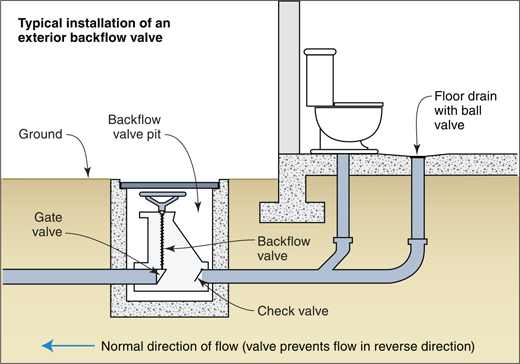
A backflow prevention device, also known as a flood mitigation or shutoff valve, is a valve designed to prevent stormwater or sewage from flooding your building through any toilets, sinks, showers, or other drains. Building drainage and sanitary systems are designed to remove sewage and other liquid waste from structures, but when floodwaters enter and overload the municipal sewage or stormwater system to which your pipes connect, the direction of flow can reverse, causing contaminated water to back up into your building. Sewage backup can occur even if a building does not otherwise flood, usually due to service lines that are broken or completely or partially blocked by grease, waste, or tree roots. A backflow prevention device can be installed directly into your main drain pipe, preferably outside of the building ahead of the point where the main drain pipe enters the structure, to stop the reverse flow of water from the city’s system into your home or business.

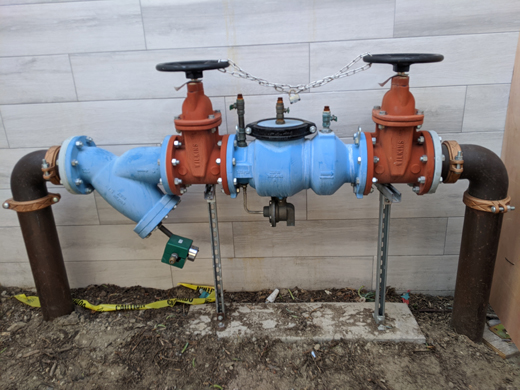
Backflow prevention devices include check valves, gate valves, ball float check valves, flap valves, and dual backflow valves. They can be automatic or manual, and configured in an open or closed position. A normally open valve is typically open to allow sewage to flow out during normal use but closes if backflow occurs, whereas a normally closed valve is typically closed and only opens when regular flow in the designed direction occurs to let the sewage exit. Dual backflow valves, while the most expensive, are most often recommended as they are a combination of check (closed) and gate (open) valves, which provide dual protection against infiltration; this can be valuable for a building that repeatedly has backflow flooding.
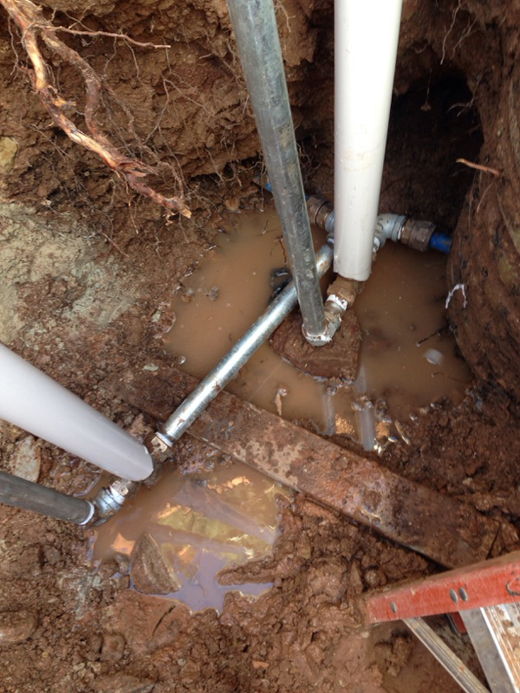
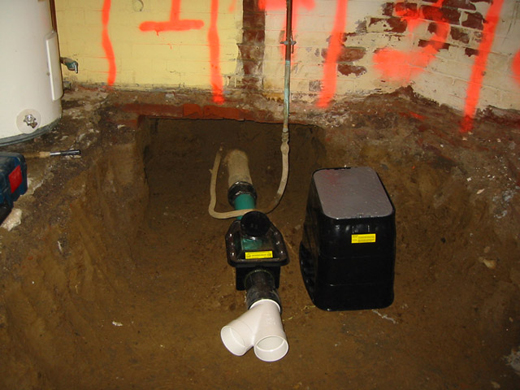
You should have your backflow prevention devices installed by a qualified, licensed plumber in a location that allows best access for inspection, maintenance, and cleaning, preferably outside the structure to minimize damage should the sewer line fail. Regular inspection and maintenance are critical to make sure that the valve has not been affected by soil or debris, and that it is still functioning properly. You might also consider installing a sewer backup alarm to warn you when the backwater valve is activated so that you know to minimize your water usage.
Property Characteristics
Property Scale
Single Property
Real Estate Type
Single-family residence
Business
Government building
Foundation Type
Slab-on-Grade
Crawlspace
Basement
Property Location
Non-coastal
Past Flood Depth
Moderate
Shallow
Deep
Debris Flow Potential
Yes
Implementation Factors
Annual Maintenance Required
Low
Action Required If Flood Is Imminent
No, Passive
Relative Cost
$
$$
$$$
Level of Effort
Professional

Next Steps:
- Examine your building’s floor drains and pipes. Do they already have backflow prevention devices installed within them? If so, are the devices fully functional? If there are no devices, where do the pipes drain? Are they located below the BFE? If located below the BFE, a backflow prevention device should be installed, if permissible by local code.
- Contact your local building official and/or water authority to determine what state and local permitting and code requirements you will need to follow. Are you allowed to install a backflow prevention device? If so, what regulations must you follow?
- Contact a qualified, licensed contractor or plumber to install your backflow prevention devices, making sure they are aware of local codes. For all areas below the BFE, your contractor or plumber should: make a floorplan of your plumbing drains and fixtures, identify the size of the pipes connected to the impacted drains, and determine which valves would work best on each pipe (type, size, location).
- Make sure your plumber goes over the final design plans with you, including: going over the existing condition of each impacted drain and verifying the feasibility of installing a backflow prevention device at those sites; and confirming which locations they recommend installing backflow prevention devices (and what type), and where devices are not needed. Make sure their designs allow for clear access for inspection and maintenance.
- Make sure this activity is coordinated with any existing floodproofing measures – or any being considered for the building at the same time – and does not adversely impact your neighbors.
- Have the device(s) installed.
Special Considerations:
- Flood mitigation valves can be certified. Check to see if the product you are looking to install meets the ANSI 2510 standard.
- Ensure compliance with all applicable National Flood Insurance Program (NFIP) requirements and local building codes. The NFIP sets minimum standards and allows individual communities to adopt their own additional or more stringent requirements via local floodplain management ordinances, regulations, and laws.
- Be careful not to redirect water flow from your property onto another property. No adverse impact (NAI) floodplain management is an approach that ensures the action of any property owner, public or private, does not adversely impact the property and rights of others. NAI calls for any adverse impact caused by a project to be mitigated as part of the project. By following NAI principles, you can: prevent flooding from increasing or damaging others; see a reduction in flood losses over time; and avoid challenges and lawsuits over causing or aggravating a flood problem.
- Contact a local flood insurance representative to learn more and get a quote, if you do not already have flood insurance. (Most homeowner’s insurance policies do not cover flood damage.)
- Renters and those who own specific types of property may be limited in which mitigation options they can undertake or have different requirements to which they must adhere. If you are a renter or own any of the following listed property types, click through to learn more: Renter; Unit in a multifamily residence; Manufactured home; Farm/ranch; Historic property; New construction.
Additional Resources
Reduce Flood Risk
https://www.reducefloodrisk.org/mitigation/install-backflow-prevention-device/
Printed: 06/10/2026
 EN
EN  ES
ES